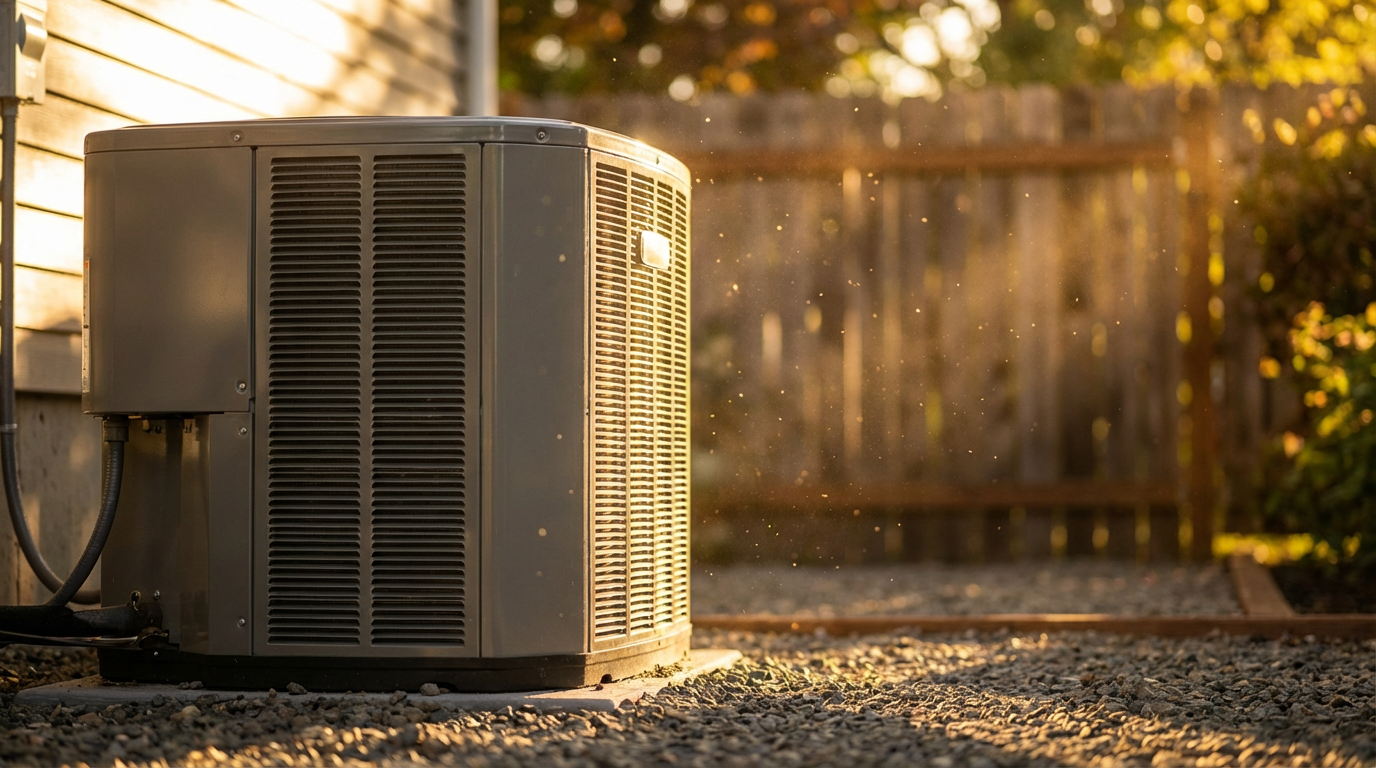
Deciding whether to repair or replace AC unit systems typically depends on the age of the equipment and the total cost of the necessary fix. If the unit is over 10 years old and the repair cost multiplied by its age exceeds 5,000, replacement is often the more economical choice. Minor issues on newer systems should generally be repaired to extend the life of the existing investment.
It starts with a strange clank or a sudden warm breeze from your vents while the Inland Empire sun beats down. In that moment, you are not just fighting the heat; you are bracing for a high stakes financial decision. Should you pay for another repair, or is it finally time to invest in a new unit? Making the wrong choice can lead to years of inefficient cooling or thousands of dollars in wasted capital. At SC Pro Air, we believe homeowners deserve clarity instead of high pressure sales tactics. In this guide, we will break down the practical math behind the Rule of 5000 and identify the specific signs that your current system is reaching its limit. You will also learn how to navigate service calls with confidence so you can avoid unnecessary upsells and choose the most cost effective path for your home comfort.
The Homeowner Dilemma: Is a Simple Fix Enough or Is It Time for a New System?
In the Inland Empire, an air conditioner failure during a triple-digit July heatwave is more than an inconvenience; it is a household emergency. When the indoor temperature climbs toward 90 degrees, the pressure to make a fast decision is intense. This is often where homeowners run into the "upsell." An upsell occurs when a technician suggests a professional HVAC installation as the only viable solution, often before thoroughly investigating if a simple component fix would restore cooling. While some companies push for immediate replacement to meet aggressive sales quotas, our approach at SC Pro Air focuses on long-term reliability and trust.
Deciding to repair or replace AC unit components depends on three main pillars: age, frequency of breakdown, and total cost of ownership. For a relatively young system that has received routine maintenance, an expensive replacement is frequently unnecessary. A unit under ten years old usually has plenty of life left, provided the core components like the compressor and coils are intact.
We believe in empowering our neighbors with data rather than high-pressure sales tactics. If your system is failing, you need to know if you are investing in a lasting fix or simply throwing good money after bad. By evaluating how often your unit breaks down and comparing repair costs against the potential energy savings of a new system, you can avoid the trap of an unnecessary upsell. Expert AC repair services should always be the first consideration for mid-life units, ensuring you get the full value out of your initial investment.
The Rule of 5000: A Simple Math Hack for HVAC Decisions

The "Rule of 5,000" is a reliable industry benchmark used to objectively determine if you should repair or replace AC unit components. It removes the emotional stress of a sudden breakdown and replaces it with a simple financial calculation. To use this hack, multiply the age of your air conditioning unit in years by the quoted cost of the repair. If the result is less than $5,000, the repair is likely a sound investment. If the total exceeds $5,000, the money is often better spent toward a new system.
Scenario | Age of Unit | Repair Cost | Rule of 5,000 Total | Recommendation |
|---|---|---|---|---|
Minor Fix on Young Unit | 5 Years | $600 | $3,000 | Repair |
Minor Fix on Old Unit | 12 Years | $600 | $7,200 | Consider Replacing |
Consider a five year old system requiring a $600 blower motor replacement. The total is $3,000, which suggests you should proceed with expert AC repair services to keep the unit running. However, that same $600 repair on a twelve year old unit yields a total of $7,200. Even though the individual repair cost is identical, the age of the unit significantly increases the risk of subsequent component failures. This calculation helps you see that an aging system can become a sunk cost; the frequency of future repairs will eventually outweigh the long term value of a professional HVAC installation.
When AC Repair Makes the Most Sense
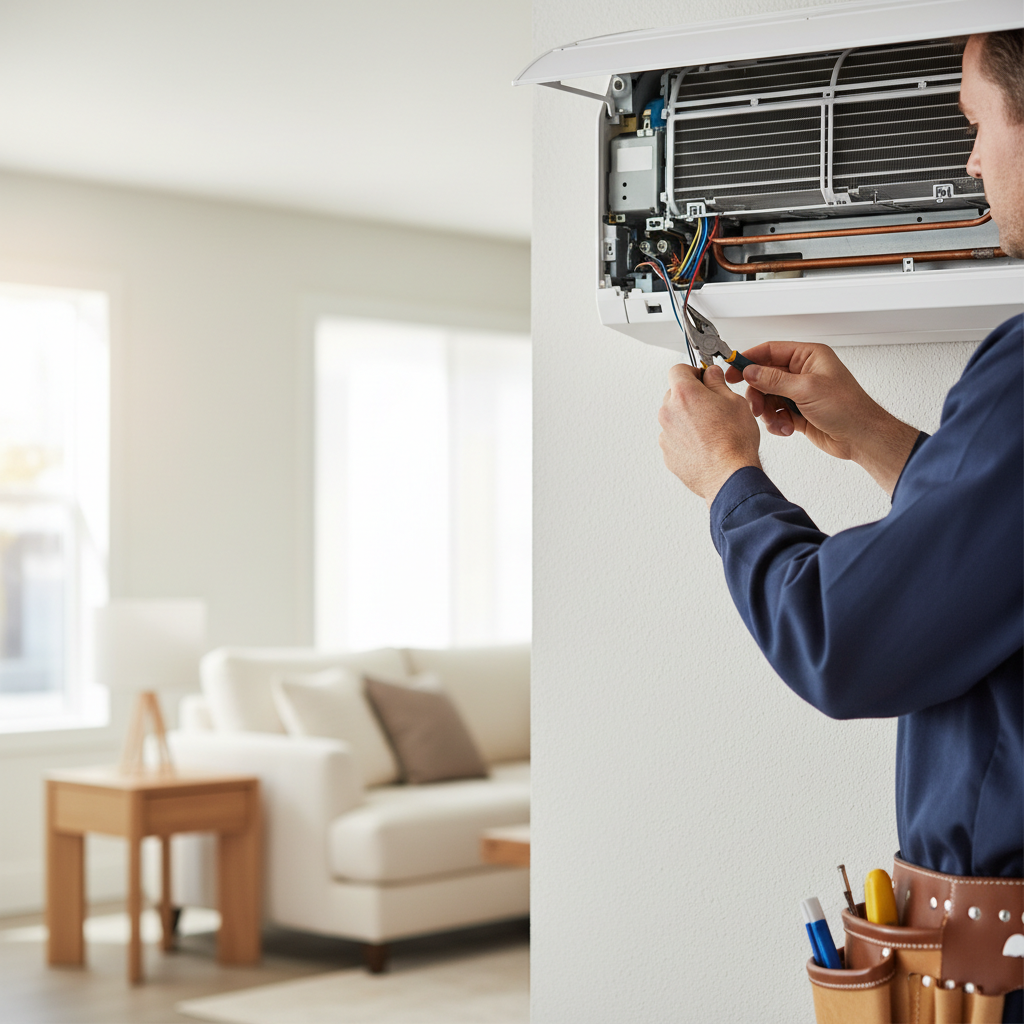
While the Rule of 5,000 provides a financial baseline, certain technical scenarios make the decision to repair an absolute certainty. If your system is less than ten years old, it is likely still covered by a manufacturer parts warranty. In these cases, the cost of the replacement component itself is often zero, leaving you only with the labor charge. This makes expert AC repair services the most logical and cost-effective path forward.
We often find that Inland Empire cooling failures stem from minor electrical components that bear the brunt of our high-heat summers. Components like start capacitors and contactors are designed to handle high voltage, but they can wear out after several seasons of triple-digit temperatures. Replacing a capacitor is a routine, affordable fix that can get a system back up and running in under an hour. Similarly, a clogged condensate line is a common minor fix. Because our local environment is particularly dusty, dirt can mix with moisture in the drain line, causing a safety switch to shut down the unit. This is a maintenance issue, not a reason for a new system.
If you have invested in routine maintenance, your unit is better equipped to handle the Inland Empire's climate. A well-maintained system with a minor fix has significant life left. When evaluating whether to repair or replace AC unit components, you should only consider a professional HVAC installation if you face a critical failure, such as a grounded compressor or a severely leaking evaporator coil. Unlike a failed capacitor, these issues involve the internal chemistry and mechanics of the system and often signal that the unit is reaching its terminal point.
Signs You Should Replace Your Air Conditioning Unit
If your system has crossed the 15 year threshold, the decision to repair or replace AC unit hardware becomes much clearer. While a younger system might just need a part swap, older units eventually reach a point of diminishing returns where mechanical fatigue is widespread. A major red flag for units of this vintage is the use of R 22 refrigerant, commonly known as Freon. The EPA phased out R 22 in 2020, making it extremely scarce and expensive. If an older unit has a significant leak, the cost to recharge the system with R 22 can easily approach a significant fraction of a professional HVAC installation. Investing four figures into outdated chemistry is rarely a wise financial move.
You should also watch for the snowball effect. This occurs when you find yourself scheduling expert AC repair services for different components every few months. If you replaced a fan motor last season and now the compressor is overheating, the system is signaling total failure. Constant breakdowns are not just expensive; they are a liability during an Inland Empire August when temperatures routinely spike. If you have been diligent about routine maintenance but the system still requires frequent emergency visits, the equipment has reached its terminal stage.
Modern systems offer a compelling financial argument through SEER2 (Seasonal Energy Efficiency Ratio) ratings. Older units often operate at a 10 or 12 SEER rating, while new high efficiency models significantly exceed those levels. For Inland Empire residents, this translates to a massive reduction in monthly Southern California Edison (SCE) bills. In many cases, the energy savings can offset a substantial portion of the cost of a new unit over time. Choosing a replacement over another patch up job provides the reliability needed to maintain 72 degrees inside when it is 105 degrees outside, giving you peace of mind that your home will remain a sanctuary throughout the hottest months of the year.
How to Spot an Unnecessary Upsell During a Service Call
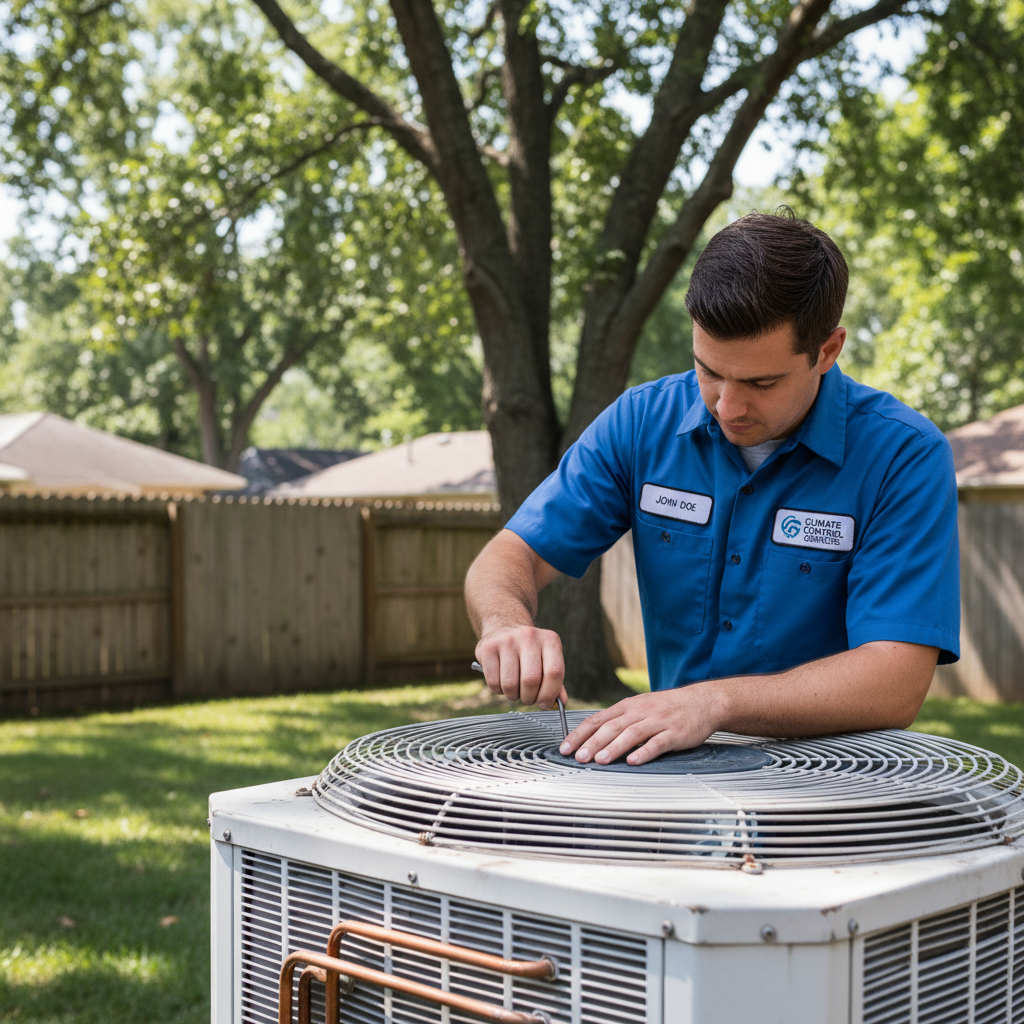
Identifying when a technician is prioritizing a sales commission over your actual comfort is the most effective way to decide how to repair or replace AC unit components. In the HVAC industry, certain red flags indicate an unnecessary upsell. One of the most common is the use of high pressure tactics, such as claiming a special price is only valid if you sign a contract for a professional HVAC installation before the technician leaves your driveway. A reputable company will provide a detailed written estimate and allow you the time to review your options without artificial deadlines.
A qualified technician must always be able to provide physical or digital evidence of a system failure. If a professional claims a compressor is dead, ask to see the diagnostic readings from their multimeter. They should be able to explain a grounded or open circuit reading in plain language. Similarly, if they claim an evaporator coil is leaking, they should be able to point out the specific location using an electronic leak detector or a soap bubble test. Always be wary of a contractor who refuses to offer any expert AC repair services as an alternative, even if the fix is only a temporary bridge to buy you time to save for a new system.
If a replacement is recommended, ask the technician if they have performed a Manual J load calculation. This is a technical analysis that considers your home's square footage, window orientation, insulation levels, and local heat signatures across the Inland Empire. Many installers skip this step and simply replace your old unit with one of the same size. However, if your original unit was improperly sized or if you have upgraded your windows, you could end up with a system that short cycles. A technician who conducts a Manual J calculation demonstrates they are focused on a long term engineering solution rather than a quick transaction.
Local Factors: Why the Inland Empire Climate Impacts Your Decision
Living in the Inland Empire means your air conditioner faces environmental stressors that coastal systems never encounter. The combination of intense inland heat and abrasive Santa Ana winds puts a massive strain on outdoor condenser units. While a system in a milder climate might last 20 years, the heavy duty cycle required here often shortens that lifespan to 12 or 15 years. When you are weighing the choice to repair or replace AC unit components, look closely at how your system performs during a peak July afternoon.
If your unit runs 24/7 just to maintain a steady 78 degrees, it is likely on its last legs. When an AC cannot reach the set point, the blower motor and compressor are under constant thermal stress, which leads to imminent mechanical failure. Investing in expert AC repair services for a unit that is fundamentally struggling to keep up with the local climate can be a temporary fix for a permanent problem. In these cases, a professional HVAC installation ensures you have a system designed to handle the specific heat load of Riverside County.
Fortunately, homeowners in our area have access to financial offsets that make upgrades more affordable. Southern California Edison frequently offers rebates for transitioning to high-efficiency SEER2 systems, and various state programs provide incentives for energy-saving heat pump technology. By staying current with routine maintenance, you can prolong the life of your equipment; however, when the Inland Empire sun finally outpaces your old unit, local rebates often bridge the gap between a costly repair and a fresh, efficient start.